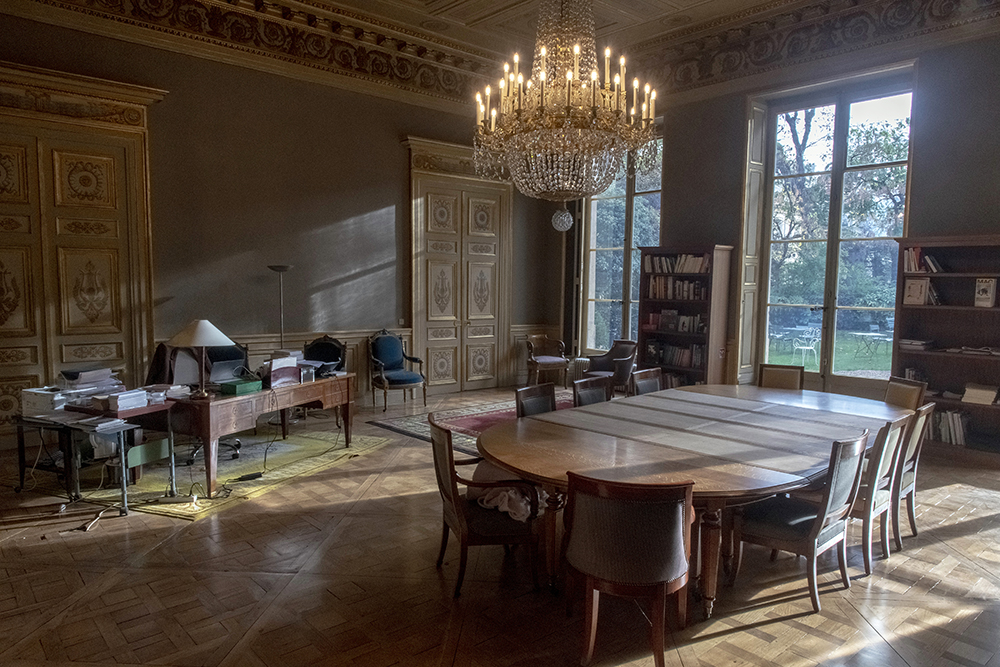
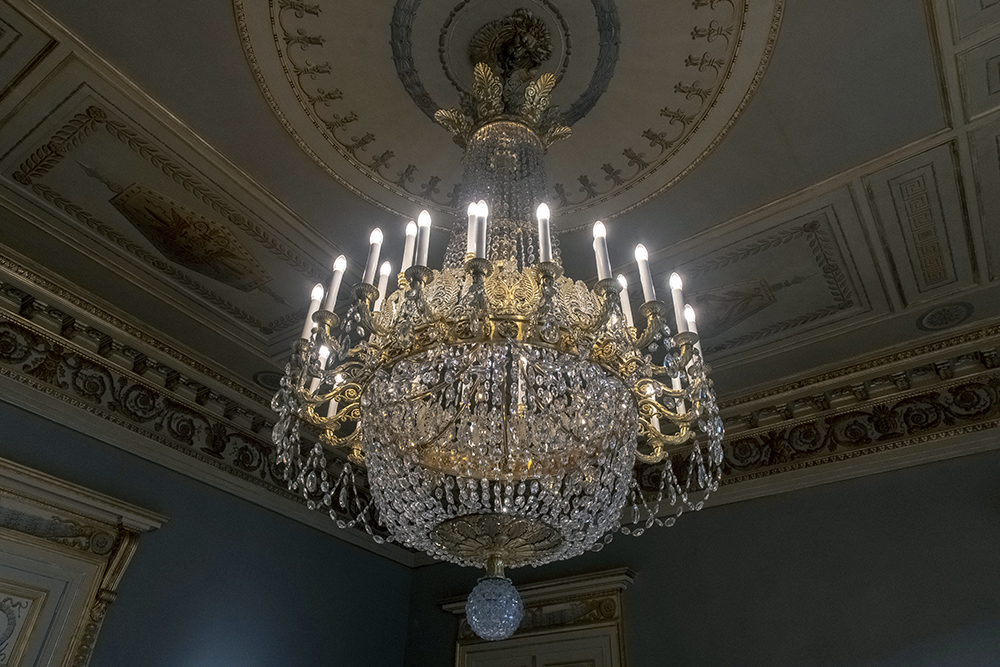
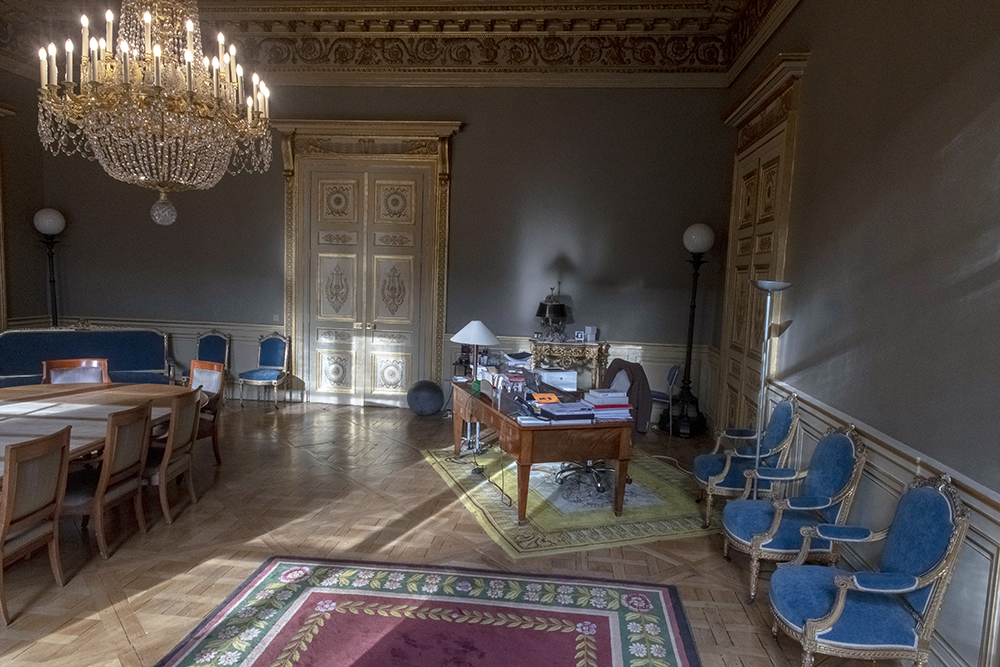
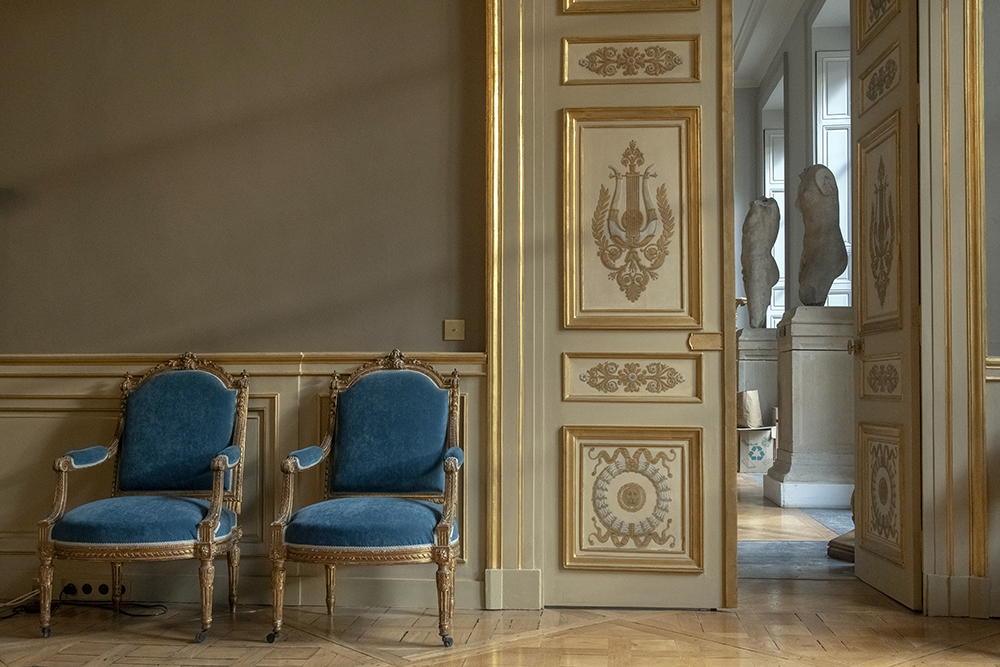
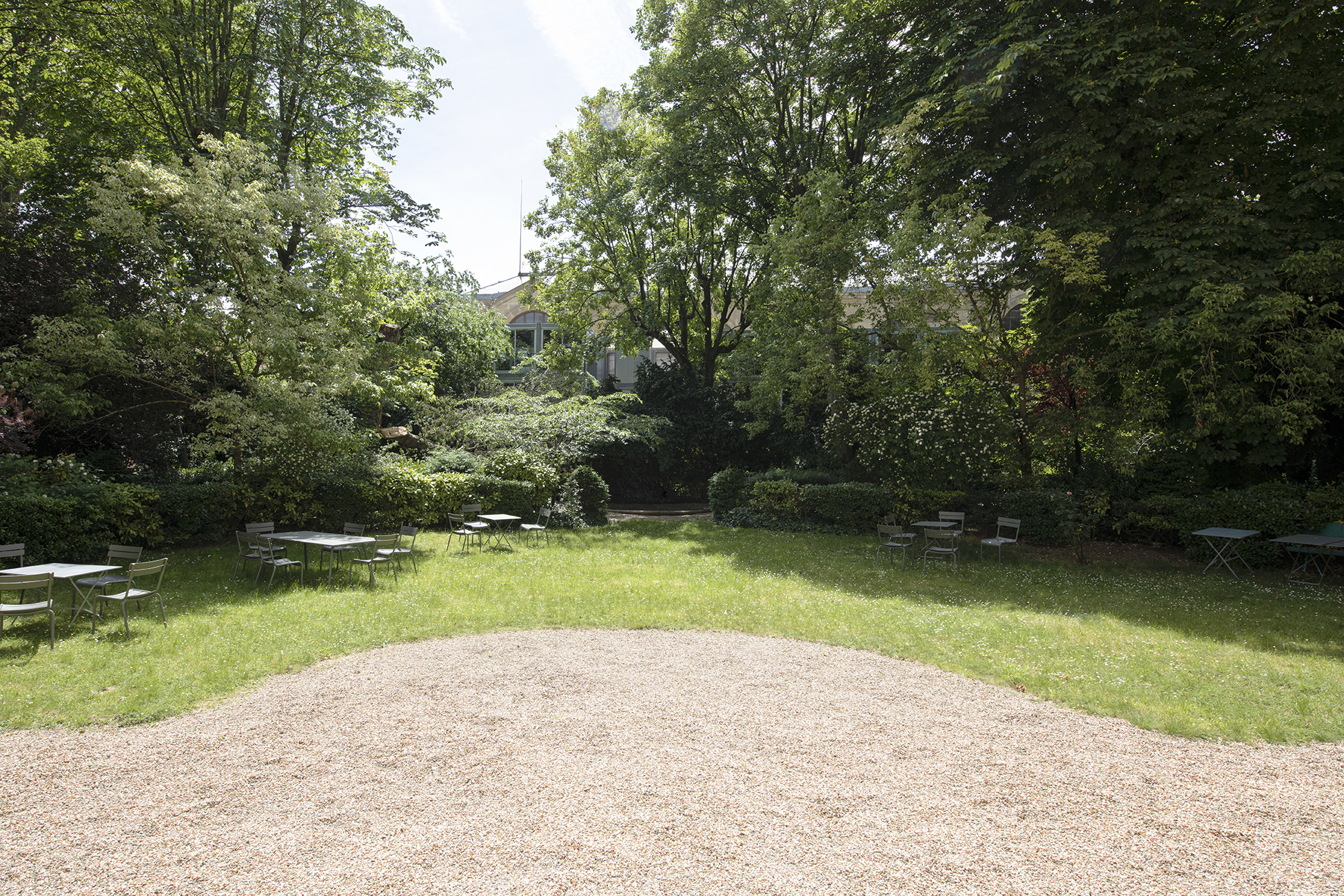
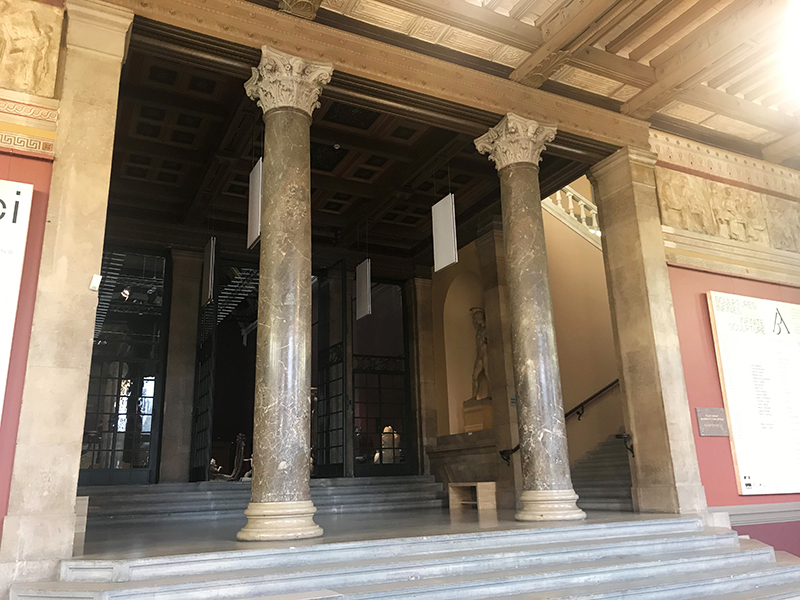
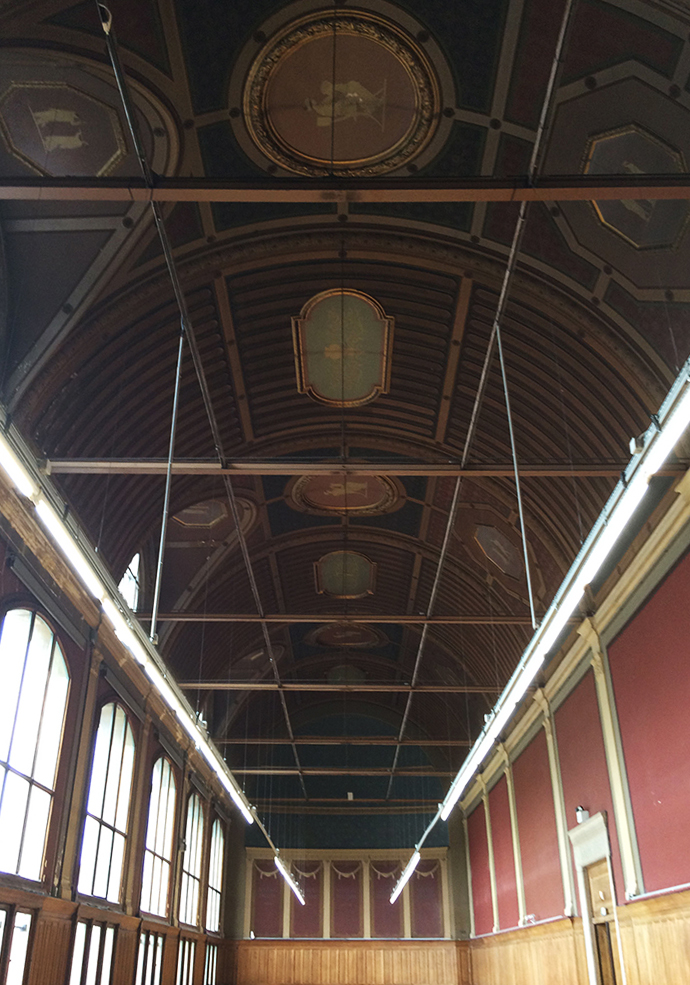
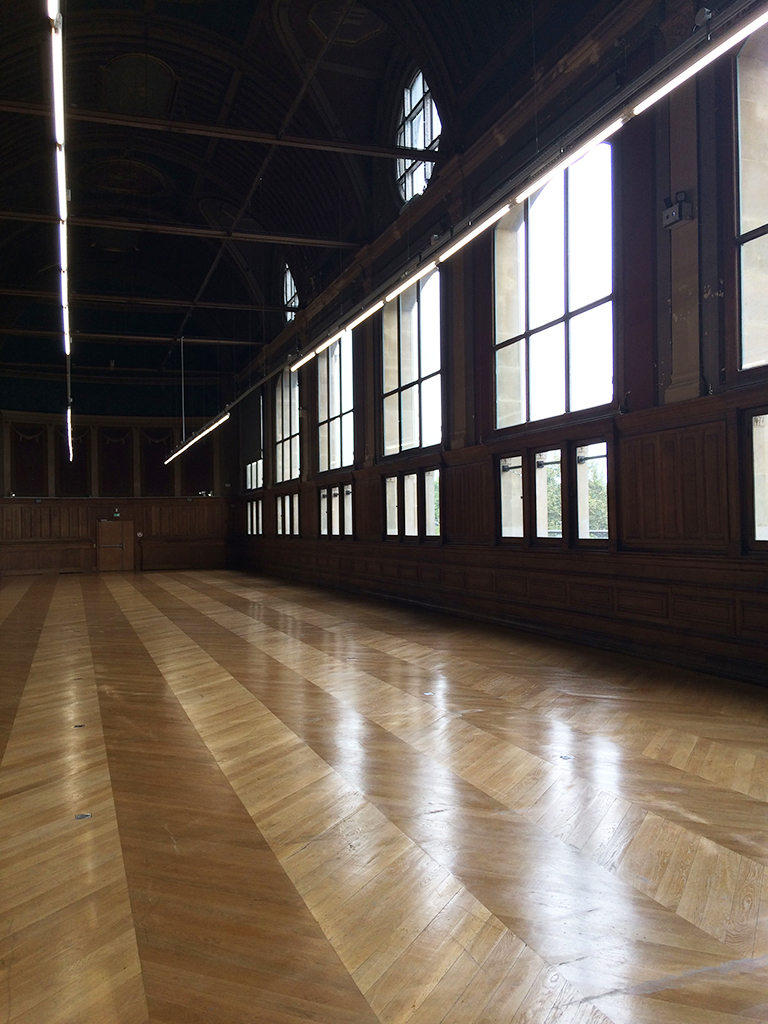
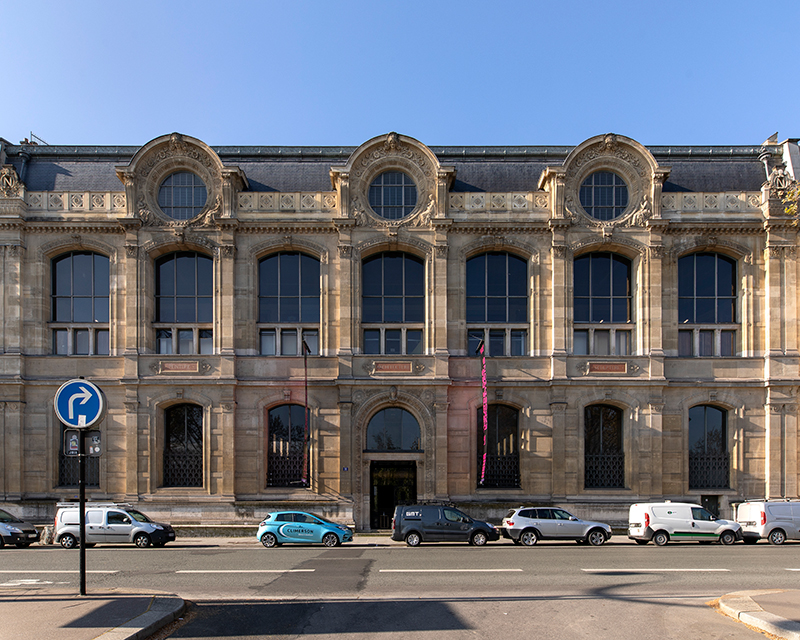
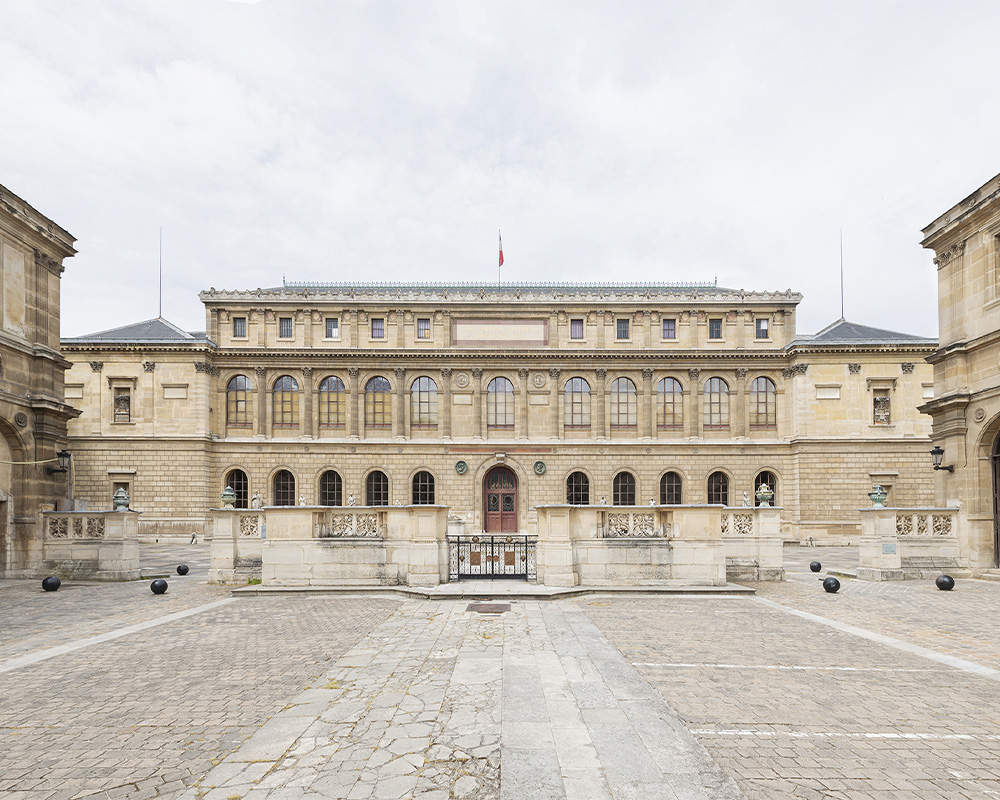
The entrance to the Palais des Beaux-Arts (1858 -1862), is located 13 Quai Malaquais, in front of the Musée du Louvre. It has a large rectangular hall. On the ground floor, the Salle Melpomène is a large nave with zenithal lighting, ending in an apse. Upstairs, the Salle Foch, situated above the vestibule, is served by a double stone stairway. The room, entirely made of woodwork, has openings facing the Seine and the Louvre.
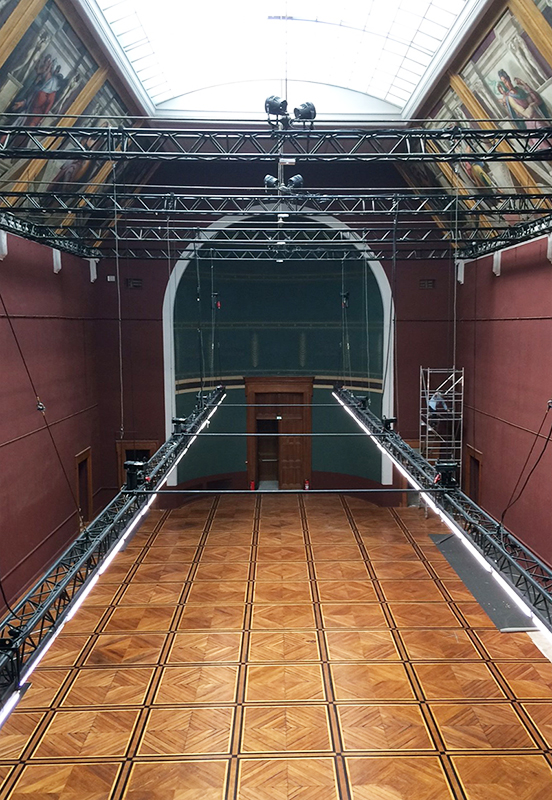
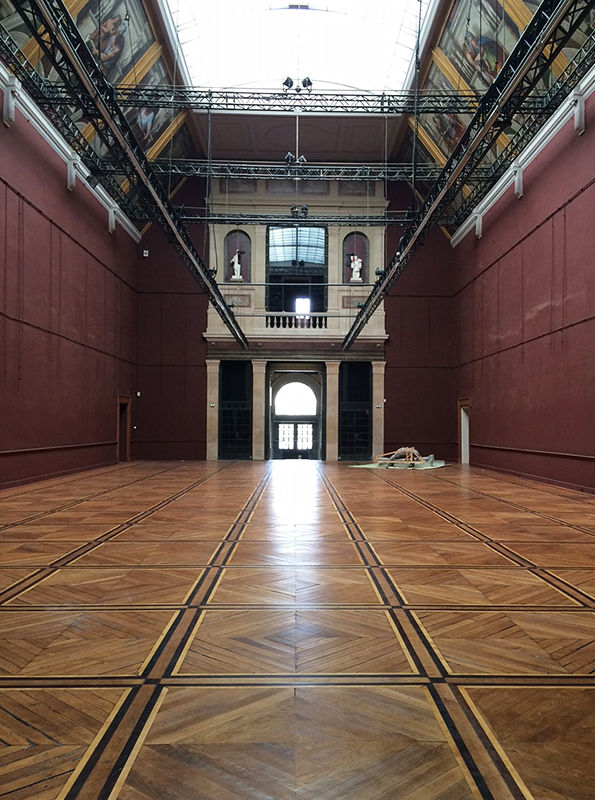
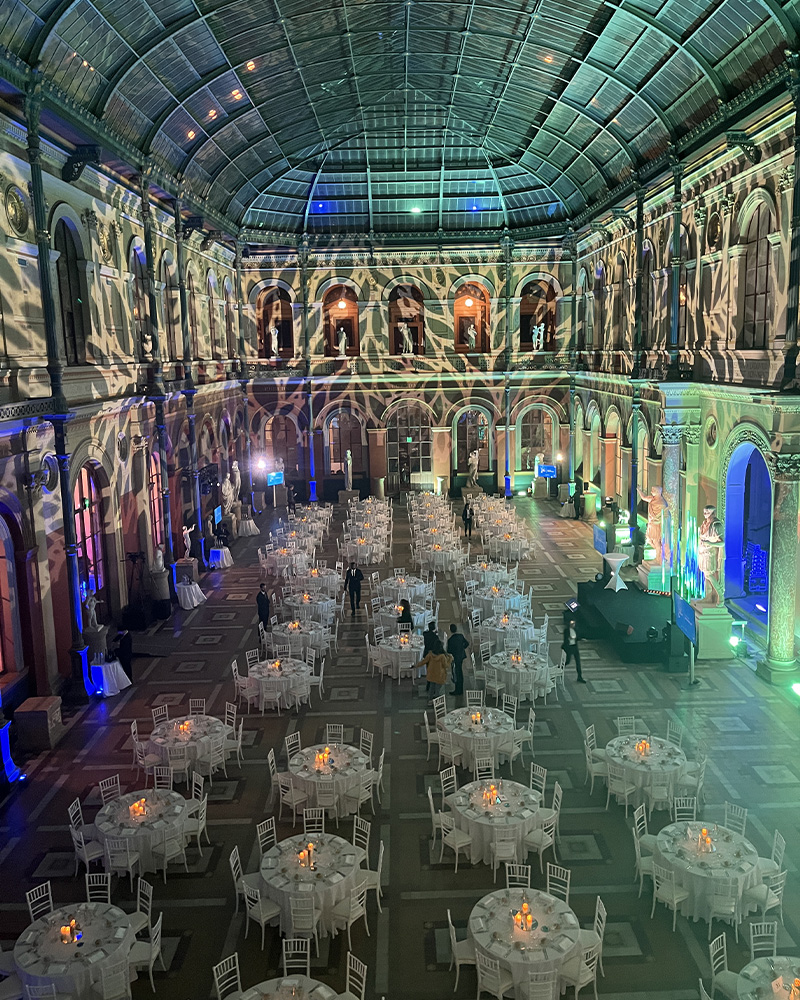
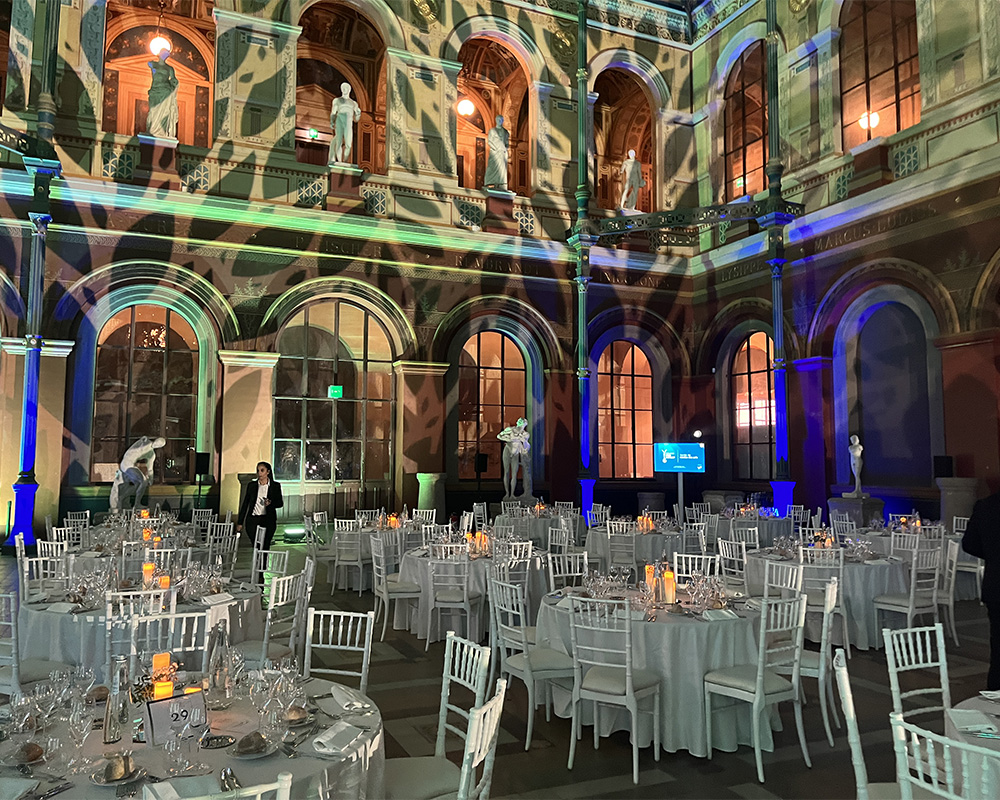
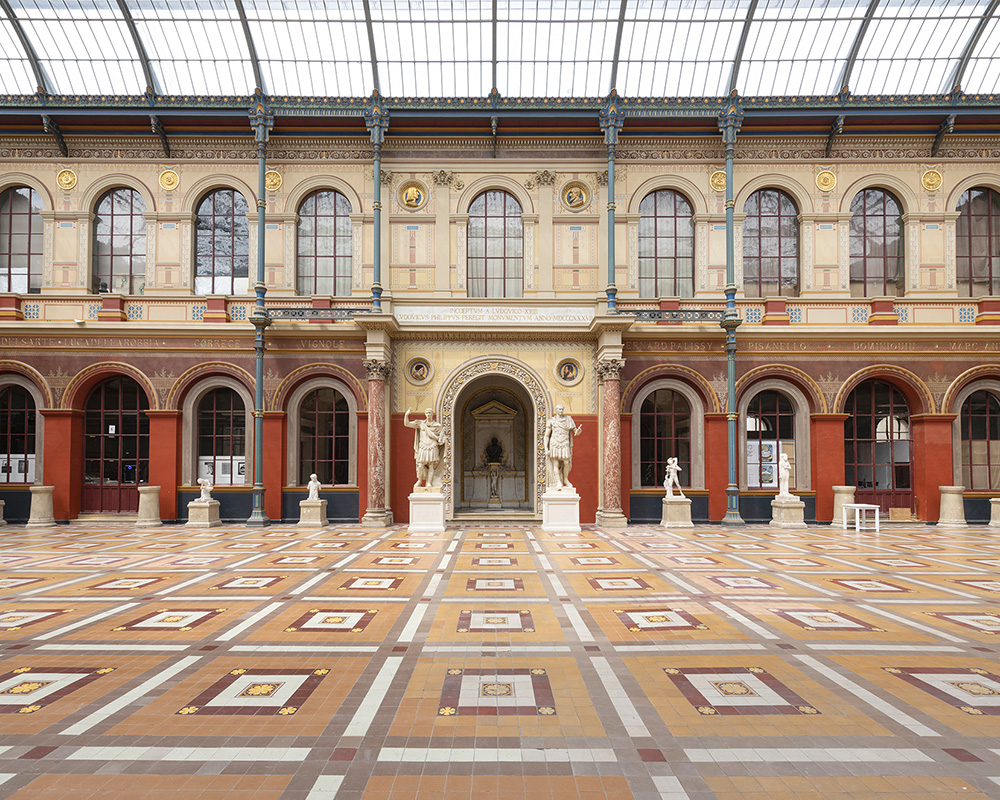
The Palais des Études (1839) is located in the central axis of the main entrance. Organized around a luminous central glazed courtyard, surrounded by vast workshops, the Amphithéâtre d’Honneur and the Cabinet de Dessins on the ground floor and covered loggias on the first floor, the building is inspired by Italian Renaissance Palaces: red and ochre walls, under the generous light of the glass roof that covers this 900m2 space.

The Cour du Mûrier, former cloister of the Couvent des Petits-Augustins, founded by Queen Marguerite de Valois, is named after the Chinese mulberry tree planted by Alexandre Lenoir, founder of the Musée des Monuments Français.


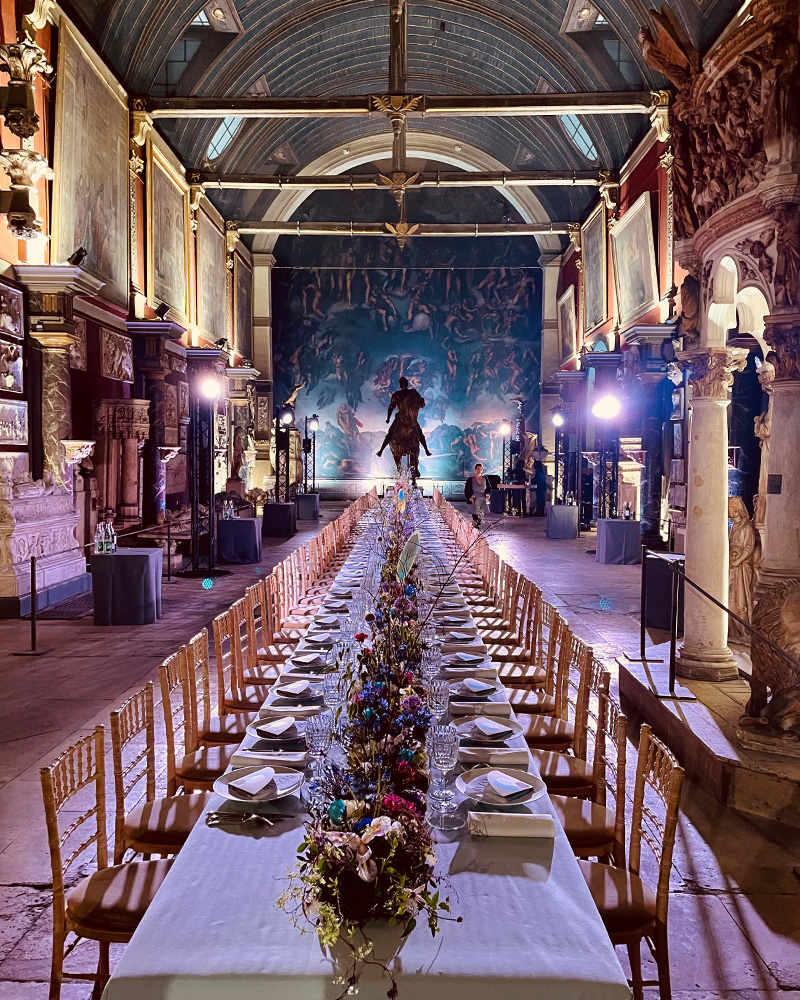
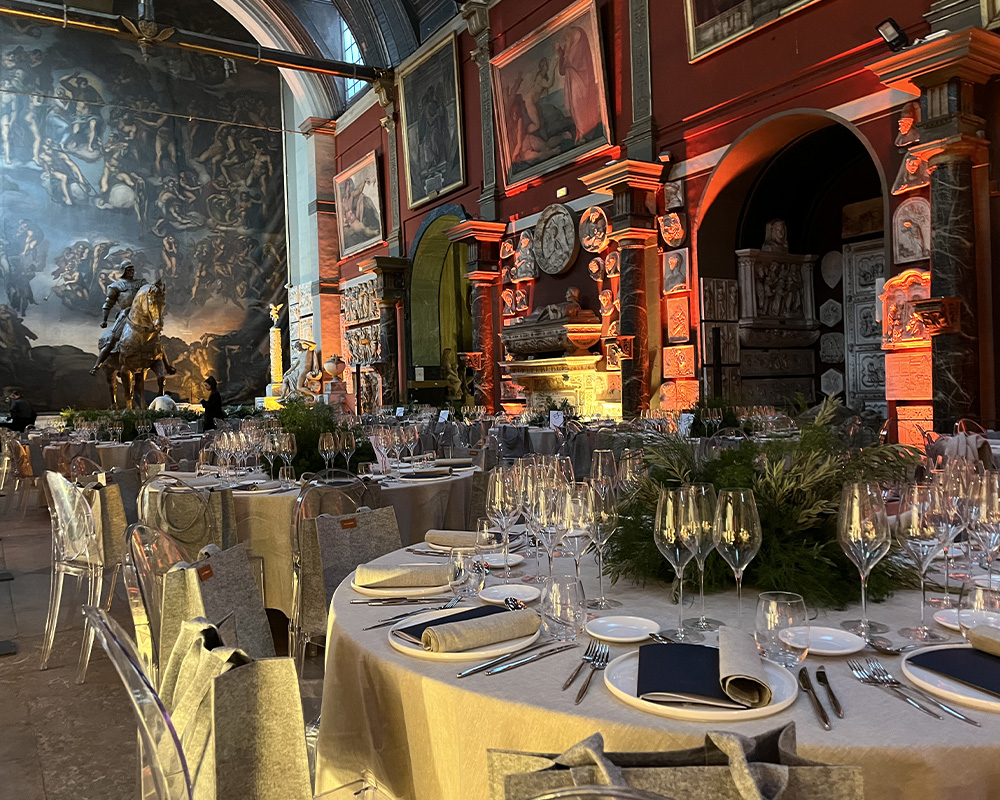
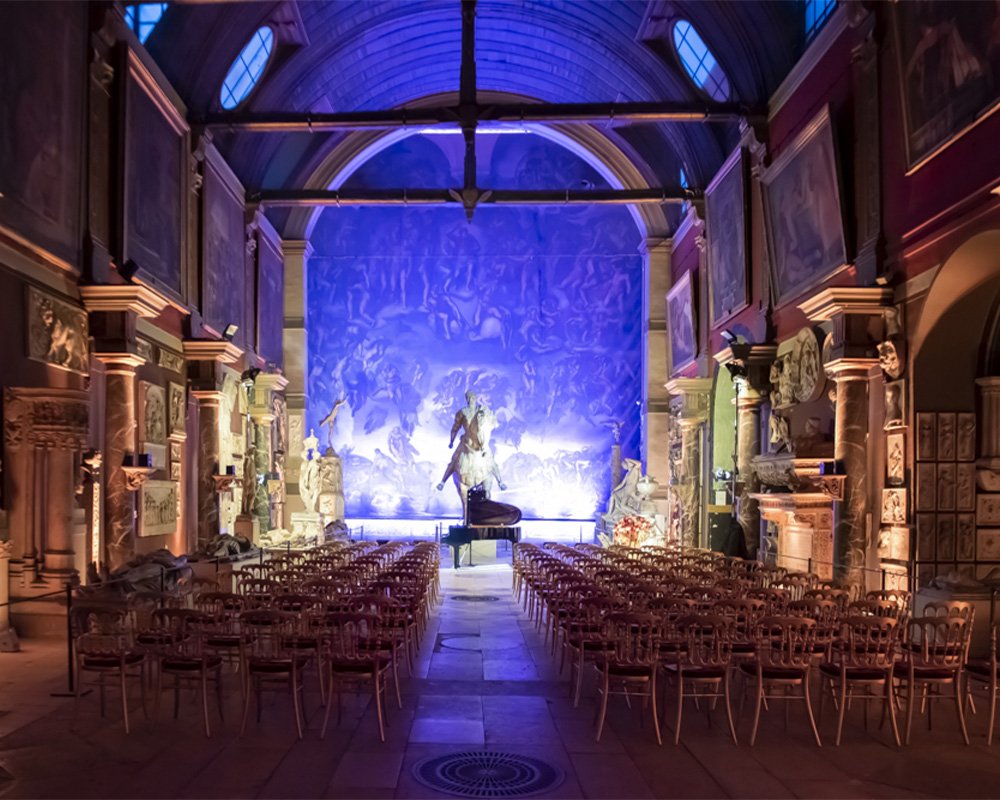
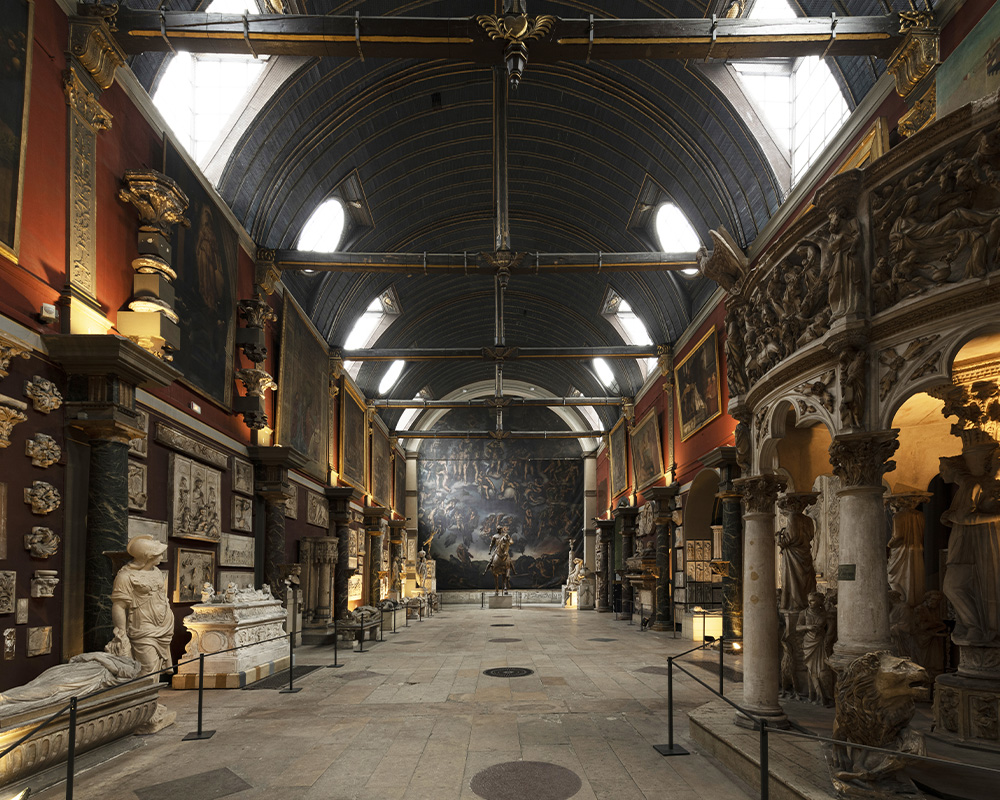
This chapel is the only remaining building of the Couvent des Petits-Augustins, founded at the beginning of the 17th century, by Queen Marguerite de Valois. From 1795, it housed the Musée des Monuments Français. In 1816, it was assigned to the École des Beaux-Arts, heiress to the Royal Academies. The chapel preserves remarkable casts of French and Italian works, from the Middle Ages and the Renaissance, for the training of young artists.
From Mesmer's magnetic fluid to the hypnosis practiced by Charcot at the Salpêtrière, from Freud to Lacan, from the surrealists to the most contemporary practices, Pascal Rousseau offers a fascinating visual history of hypnosis and links for the first time artistic practices and the cultural history of hypnotism. At the crossroads of several fields - history of art, history of science and popular culture - this unique work brings together more than 500 illustrations.
Artistic Practice Department
Constituted for educational purposes, the collection includes more than 70,000 prints and glass plates, most dating from the period 1850–1914. Architecture, monumental views, and reproductions of art dominate this encyclopedic collection, with a focus on France, Italy, Greece, the Mediterranean Basin, and Asia. All the greatest names of 19th-cenury photography are represented: Atget, Alinari, Baldus, Bonfils, Caneva, Durandelle, Marville, and the printed photographic books by Maxime Du Camp, Félix Teynard, and more.
Beaux-Arts de Paris holds more than 100,000 sheets of prints, as well hundreds of bound albums held with the collection of ancient prints.